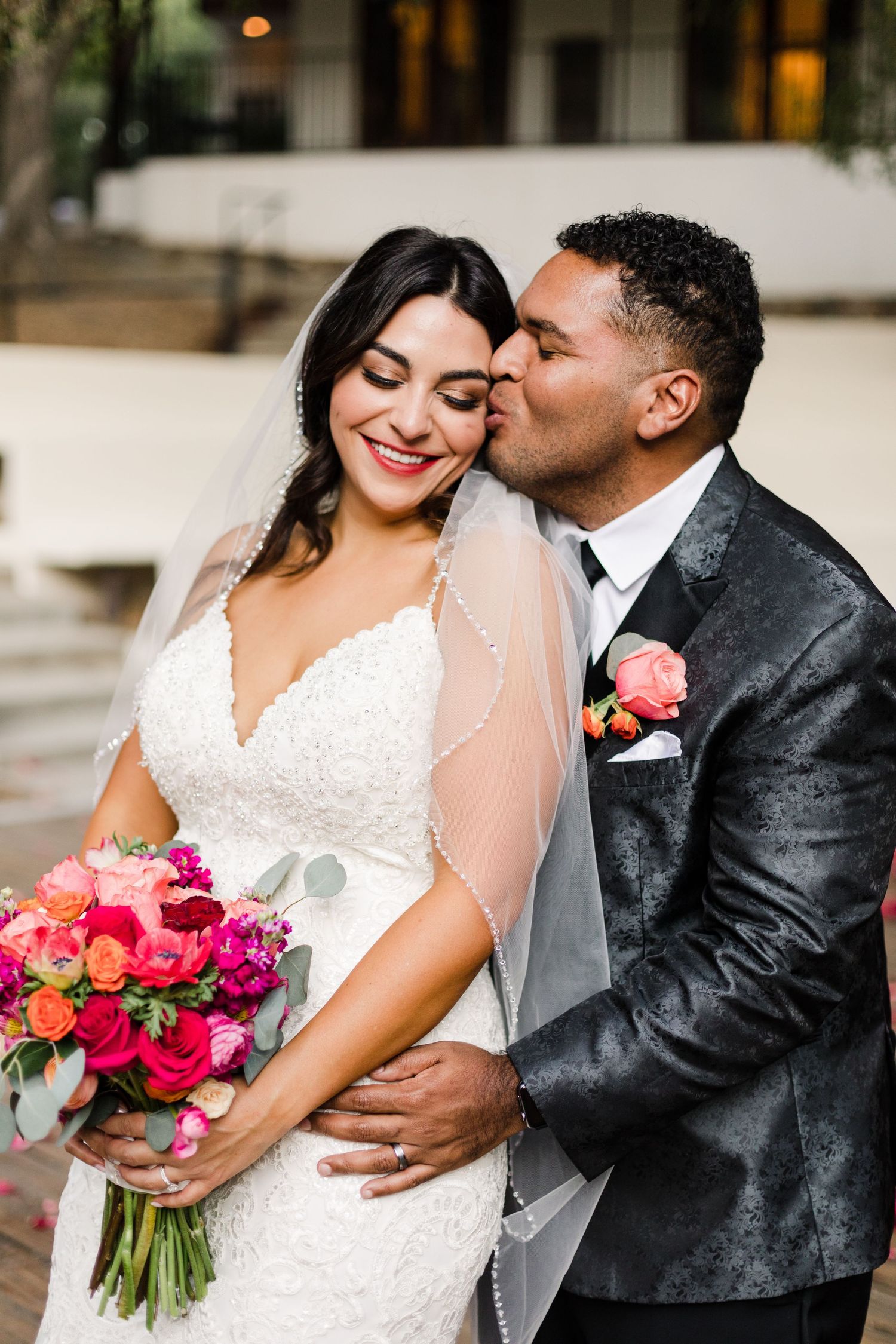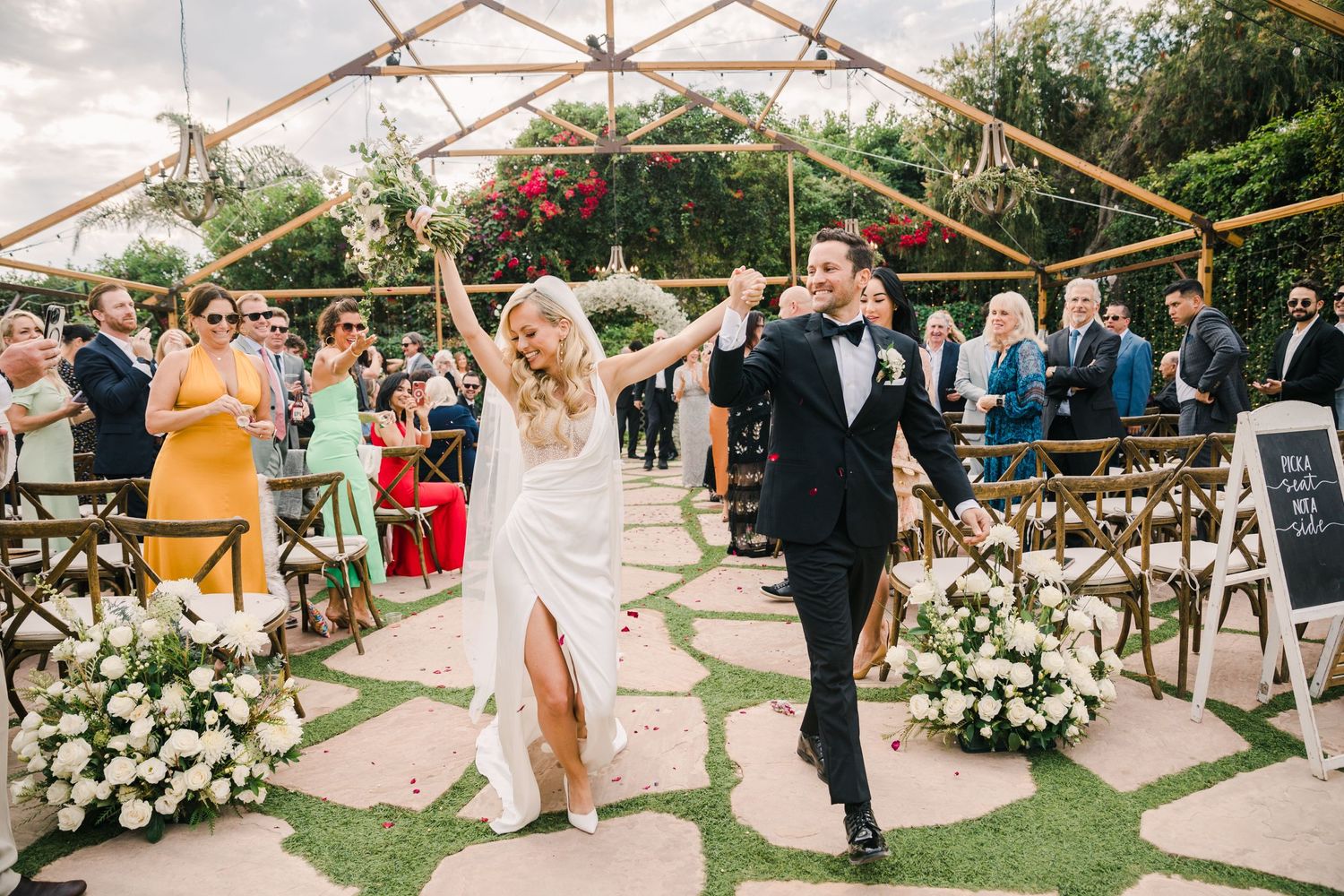
A wedding timeline is a crucial element of any successful wedding day. A well-planned timeline can help keep everything on track, from getting ready in the morning to the last dance at the reception. It ensures that everyone involved knows what to expect and when, reducing stress and allowing the day to flow smoothly. In this blog post, we will cover several tips for creating a wedding timeline that works for you. Starting with determining the ceremony time, we'll move on to blocking out time for each activity, factoring in travel time, considering vendor needs, and building in flexibility. By following these tips, you can create a detailed and flexible timeline that will help ensure your wedding day is stress-free and enjoyable for everyone involved.
tip 1
Determining the time of your wedding ceremony is one of the first and most important decisions you'll make when creating your wedding timeline. The ceremony time sets the tone for the entire day and affects every other aspect of the schedule. There are several factors to consider when choosing a ceremony time, including the season, the time of day you prefer, and the availability of your venue. It's also important to think about the amount of time you'll need for hair and makeup, getting dressed, transportation, and any pre-ceremony activities you may have planned. By carefully considering these factors, you can choose a ceremony time that works for you and ensures that your wedding day flows smoothly.
tip 2
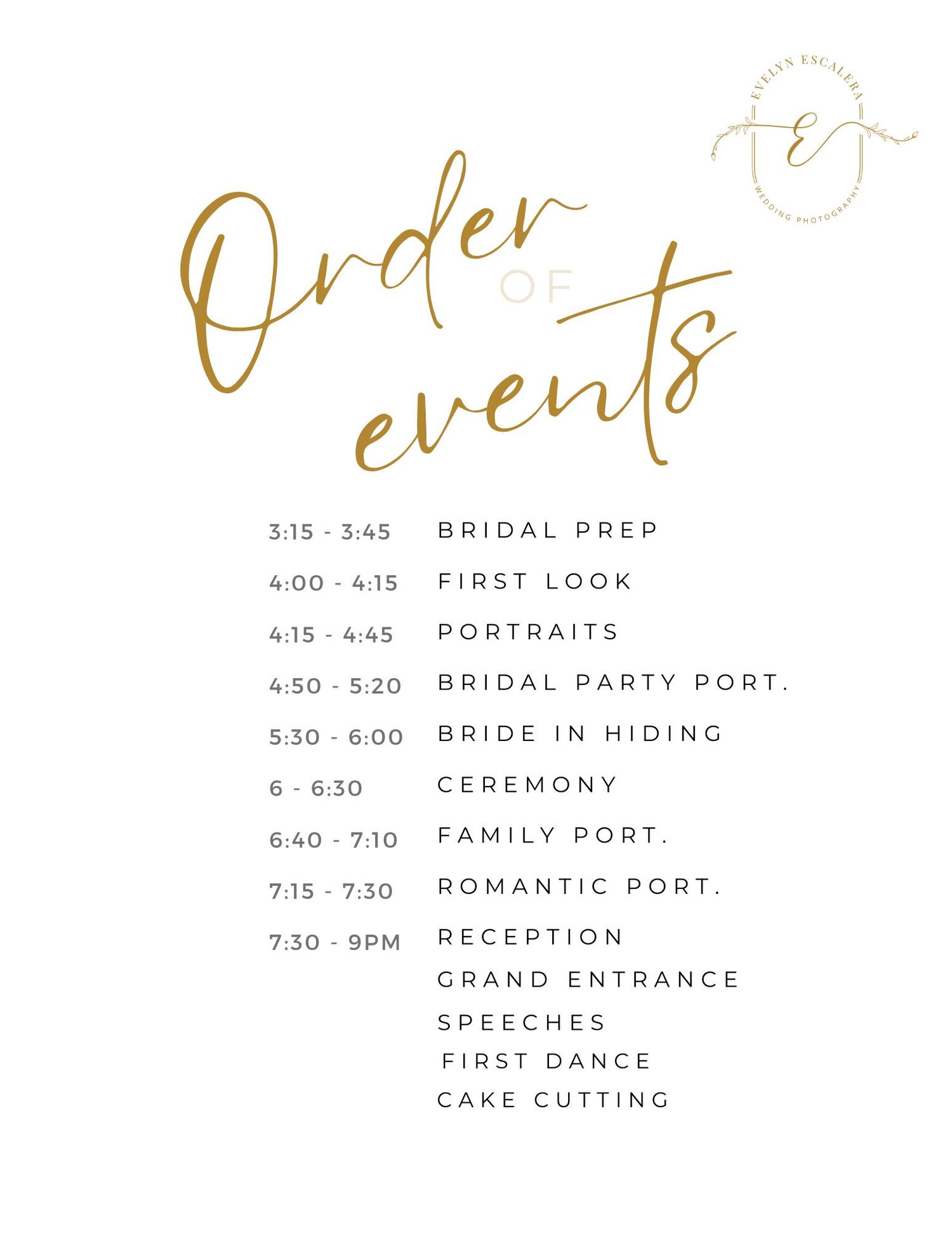
To create a realistic wedding day timeline, it's important to break down all of the activities that will take place throughout the day. This includes hair and makeup, getting ready details, first look, ceremony, family formals, romantic session, grand entrance, first dance, speeches, cake cutting and any other planned events. Allocating enough time for each activity is essential to ensure that the day runs smoothly and that you have plenty of time to enjoy each moment. When scheduling hair and makeup, be sure to factor in the number of people in your party and the amount of time it will take for each person to get ready. For photography, consider the locations and amount of time needed for each shot. Every wedding photographer has different time needs when it comes to covering distinct portions of a wedding day, communicate with your wedding photographer to understand their specific needs. The ceremony itself will vary in length depending on your culture and traditions, but it's important to allow enough time for any special readings or rituals. The reception typically includes dinner, speeches, and dancing, so be sure to allocate enough time for each of these activities as well. You can ask speech makers to keep their speeches at a minimum or maximum length of time. It's extremely important to build in some buffer time throughout the day to account for any unexpected delays or last-minute changes. For example I would add an additional 10-15 mins to each activity just to be on the safe side. It's always better to be ahead of schedule than behind. By carefully allocating time for each activity, you can create a wedding day timeline that is enjoyable for everyone involved.
tip 3
When creating a wedding timeline, it's important to consider travel time between locations. If your ceremony and reception are in different locations, or if you plan to take photos at multiple locations, be sure to factor in the time it will take to travel between each spot. This includes not only the driving time, but also the time it takes to get everyone loaded into the car or bus and to get everyone out once you arrive at your destination. Additionally, you'll want to consider any potential traffic or road closures that may impact your travel time. By accurately calculating travel time and building it into your wedding day timeline, you can ensure that everything runs smoothly and that you arrive at each location with plenty of time to spare. It's always better to have a little extra time than to feel rushed or stressed on your wedding day.
TIP 4
When creating a wedding timeline, it's important to consider the needs of your vendors as well. This includes your florist, photographer, videographer, DJ, Band, venue, makeup and hair artist, catering, lighting crew, rentals company and any other vendors you may have hired. Be sure to communicate with them about their needs and any time constraints they may have. For example your DJ or band may need time to set up their equipment before the reception. By working closely with your vendors and incorporating their set up and breakdown time needs into your timeline, you can ensure that they will be able to provide you with the best possible service on your wedding day. This will not only make your vendors happy but will also ensure that your day runs smoothly and stress-free.

tip 5
While it's important to have a well-planned wedding timeline, it's equally important to be flexible on the day of the wedding. Unexpected delays or changes can happen, such as traffic, weather, or unexpected hiccups with vendors. That's why it's important to build in buffer time throughout the day to accommodate any unforeseen circumstances. This way, if there is a delay or issue, it won't throw off the entire timeline.
If adjustments to the timeline are needed on the day of the wedding, be sure to communicate with your vendors and wedding party as soon as possible. If the delay is minor, it may be possible to simply shift the timeline slightly. For example, if hair and makeup runs longer than expected, you may need to adjust the time for the first look or photo session. If the delay is more significant, it may be necessary to cut some activities short or skip them altogether.
Being flexible and willing to make adjustments on the fly can help ensure that your wedding day runs smoothly, even if things don't go exactly as planned. It's important to remember that the ultimate goal is to have a happy, stress-free day that you'll remember for the rest of your life.
In conclusion,
creating a wedding timeline can be a daunting task, but with proper planning and consideration of the factors mentioned above, it can be a smooth and stress-free process. Always remember to consider the ceremony time, allocate time for each activity, factor in travel time, and keep in mind your vendors' needs. It's also important to be flexible and allow for buffer time to account for any unexpected delays or changes. With these tips in mind, you can create a timeline that will help your wedding day run smoothly, ensuring that you can enjoy every moment without worrying about the schedule. Below is an ideal sample timeline for a summer wedding where the wedding ceremony is set for 6pm. I hope you find it helpful!